Gardening is 1 of the very best approaches to get outside and renew your link with character. Furthermore, there is so much flexibility in this interest, it demands as considerably or tiny motivation as you want. Developing your own vegetables, in particular, is a excellent way to complement your groceries.
A lot of parts of Texas get quite harsh throughout the summer time, with tiny rainfall and lots of scorching sunlight. On the other hand, winter season temperatures can generate plant-killing frost, especially in Northern Texas.
It can be really difficult to begin and preserve a vegetable backyard in these sorts of situations, but it’s flawlessly doable with some devotion. Let us verify out some of the greatest vegetables you can increase in Texas, and how to go about getting treatment of them throughout a variety of seasons.
The 10 Best Vegetables to Grow in Texas
1. Carrots

| Season | Fall |
| Grow Time | 3-4 months (12-16 weeks) |
| Soil Type & pH | Loose soil, pH 6.0-6.5 |
| Water Requirements | 1” per week |
Carrots are a staple of any vegetable yard simply because they grow almost calendar year-round. The main thing to view out for is no matter whether your soil is ideal for carrots due to the fact they do ideal in free, sandy soil. With heavier soils and especially clay, carrots wrestle to break by means of the soil.
So lengthy as your soil is appropriate, however, you are golden. You can plant carrots any time from July to February, but they’re normally considered a fall crop. In most central and southern areas of Texas, you can even develop carrots throughout the wintertime.
2. Peppers
| Season | Summer- Fall |
| Grow Time | 2-3 months (60-90 days) |
| Soil Type & pH | Loamy soil, pH 6.0-7.0 |
| Water Requirements | 1” per week |
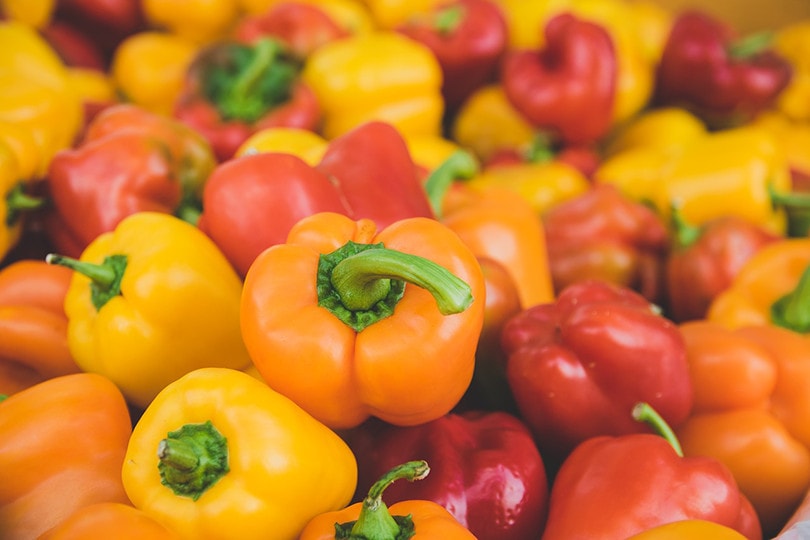
What would Texas be without having peppers? Different sorts of peppers do very properly in the Texas heat, from sweet bell peppers to spicier Jalapenos and Habaneros. Generally, they even do better as the temperature spikes. Peppers really do not do very nicely in the chilly, so stay away from planting these in the course of the fall and wintertime.
Peppers are normally lower-upkeep and can be grown in almost any yard variety. We’d advocate planting your peppers in July, but you can start off as early as the springtime if you want an early harvest. You really do not need to have to worry about spraying for bugs, both, because peppers nearly repel insects.
3. Okra
| Season | Spring |
| Grow Time | 50-65 days |
| Soil Type & pH | Loamy or sandy soil, pH 6.5-7.5 |
| Water Requirements | 1” per week |
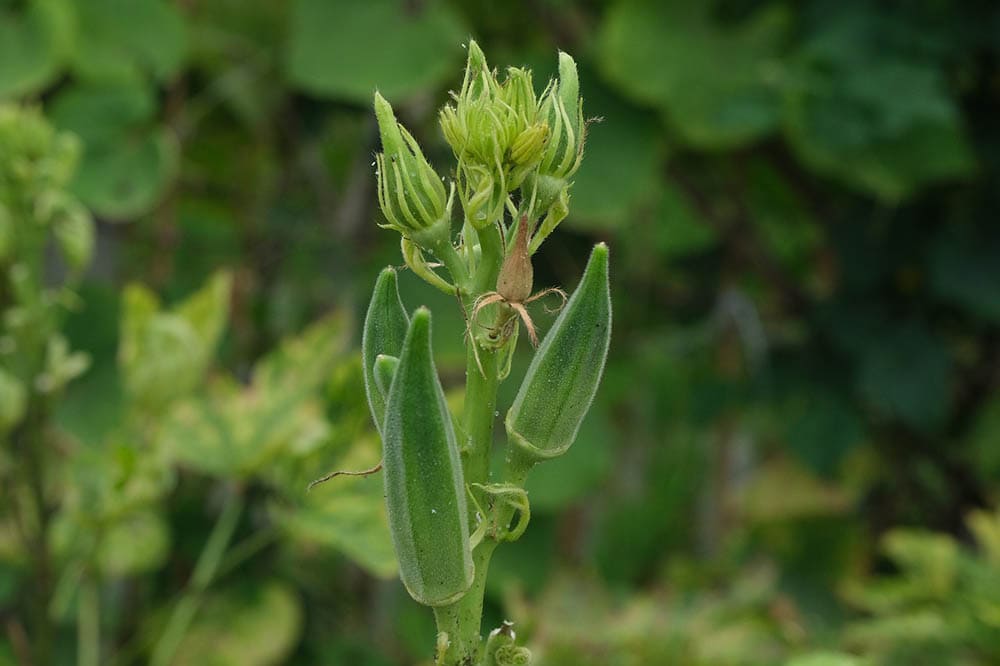
Okra is a warm-season crop noteworthy for its a lot of makes use of in Southern cuisine, where it is loved fried and boiled or in soup. Okra typically does very best previously mentioned eighty five levels, which is flawlessly suited for Texas summers. For very best final results, plant okra throughout the early spring in mid-April or so for a harvest in late June to early July.
Okra does very best when it has a lot of full sunlight and a medium degree of humidity in the soil. Because they have a relatively long growing time, it’s suggested to use compost or other fertilizer to keep soil nutrition.
4. Lettuce
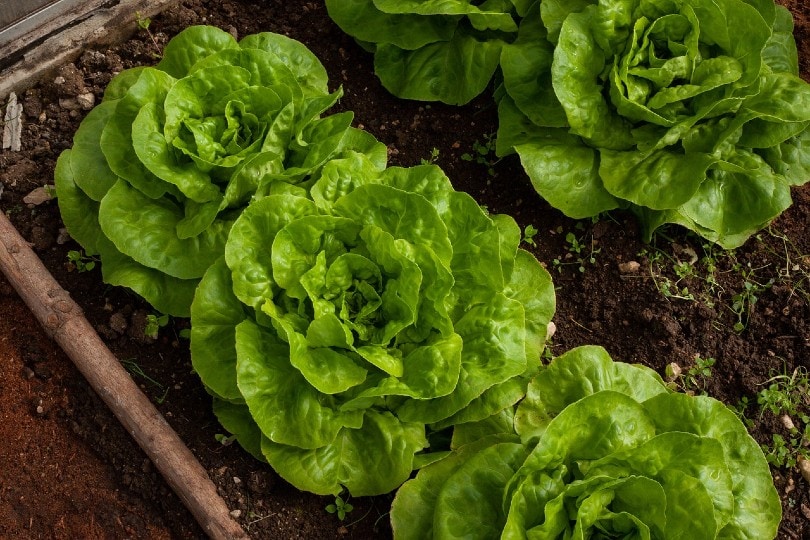
| Season | Fall |
| Grow Time | 30-60 days |
| Soil Type & pH | Loose soil, pH 6.0-7.0 |
| Water Requirements | 1” per week |
Free leaf lettuce is the most-typically-grown variety of lettuce in Texas due to the fact it grows fairly rapidly, but numerous varieties do nicely through the point out. Central Texas is the very best weather for lettuce, but northern Texas functions as properly. In the boiling south, it may get a little bit as well very hot and make the lettuce bitter, but you can attempt to make it function if you wish!
Lettuce does greatest at temperatures about 75 levels Fahrenheit, so we’d suggest beginning around Oct to get a harvest in December and one more in February. If you are careful about the more and more chilly Texas winters, start off your seeds indoors about a month ahead of you assume to have them transplanted outside.
5. Tomato
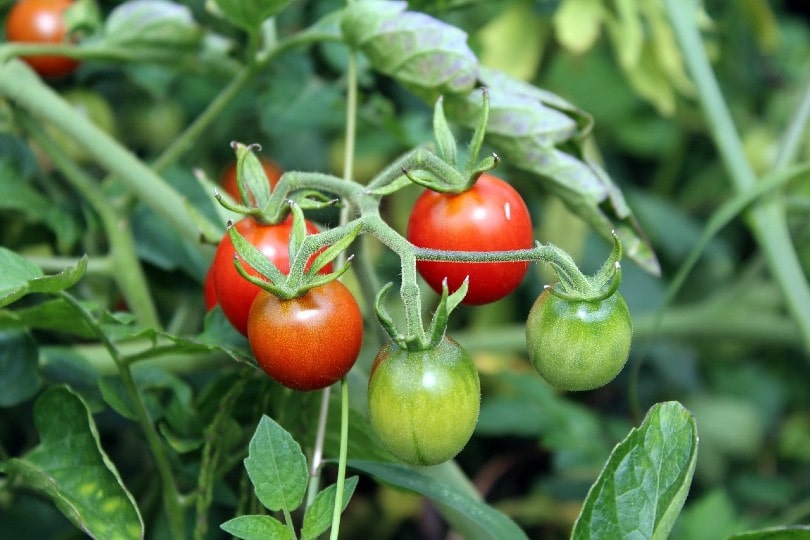
| Season | Summer |
| Grow Time | 2-3+ months (60-100 days) |
| Soil Type & pH | Loamy/sandy soil, pH 6.2-6.8 |
| Water Requirements | 1-2” per week |
Even though technically a fruit, tomatoes have a location in each and every veggie garden. Tomatoes just take a little bit of function to increase in Texas since of their specific preferences, additionally their brief year in comparison to other crops. With that said, they do effectively in the two central and southern Texas as lengthy as you plan ahead.
Tomatoes will grow in awesome conditions but won’t generate fruit until it receives eighty degrees or so, so you need to have to get them commenced early. We’d suggest beginning your tomato vegetation in February so they are ready to create fruit throughout the early and mid-summer time months.
6. Asparagus
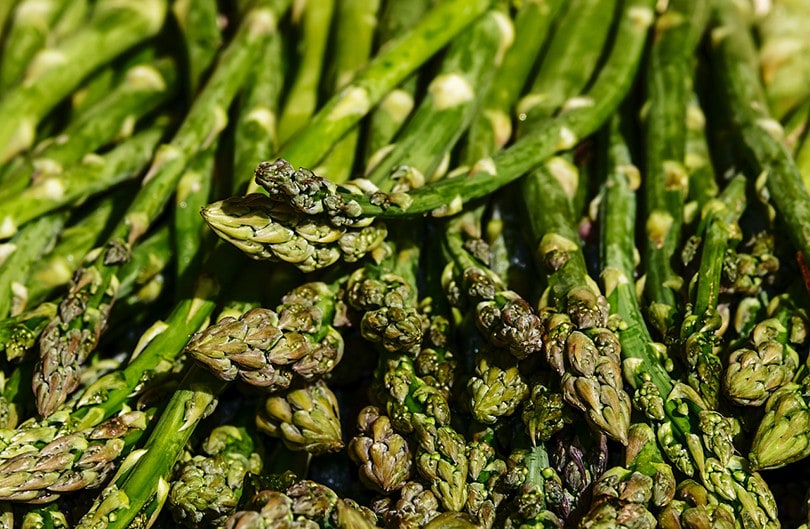
| Season | Spring |
| Grow Time | 3 years |
| Soil Type & pH | Sandy soil, pH 6.5-7.0 |
| Water Requirements | 1-2” per week |
We’d advise northern Texans try out growing asparagus, which does nicely in colder temperatures and milder summers but not so nicely with sweltering humidity. The only caveat with asparagus is that you won’t see a harvest for as long as a few years, but it retains producing for above a 10 years if you can adhere it out.
If you are expanding potatoes as effectively, keep them well away from your asparagus — potato expansion is stunted when planted around asparagus. Similarly, you are going to want to hold asparagus away from allium veggies like onion, leek, and garlic, simply because they stunt asparagus progress.
7. Mustard Greens
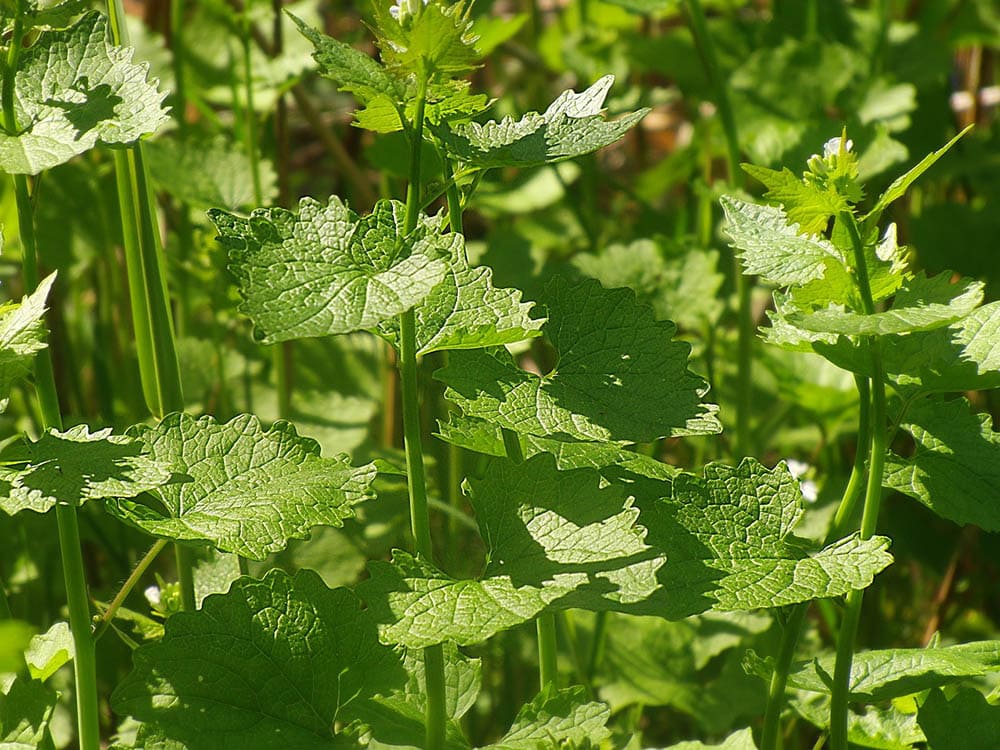
| Season | Spring |
| Grow Time | 6 weeks |
| Soil Type & pH | Fertile soil, pH 6.5-6.8 |
| Water Requirements | 2” per week |
Like other leafy greens, mustard greens are awesome temperature crops that do quite effectively in central and southern Texas falls and winters. You can try to expand them in northern Texas, but they don’t do effectively in freezing temperatures even even though they’re normally frost-tolerant.
Mustard greens are a fantastic addition to any Texas drop backyard that includes this kind of veggies as lettuce, broccoli, and radishes. Begin these in the spring if you want the seeds, which do very best in the summer time, or throughout the drop for leafy greens.
8. Squash
| Season | Any |
| Grow Time | Varies by type |
| Soil Type & pH | Sandy soil, pH 6.0-6.5 |
| Water Requirements | 1” per week |
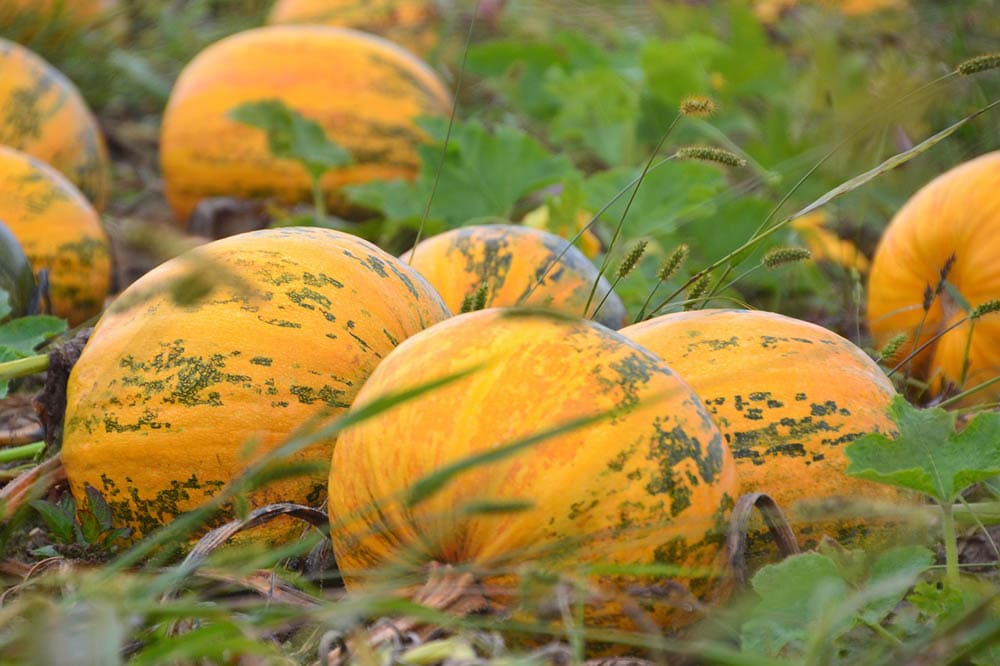
A favorite of vermin all over the place, squash is an important portion of any vegetable backyard garden. Squash is a recognized cross-pollinator that can increase yields from your other plants, like tomatoes, carrots, and cucumbers. It surely does not harm that squash tolerates the two warmth and chilly very effectively.
Squash does properly in any Texas local climate, and you can commence them in the spring for summer season variants or in the drop so the crops can mature before the 1st killing frost. Zucchini is one variety of squash that does nicely in the summer time, while wintertime versions consist of butternut and pumpkin.
9. Broccoli
| Season | Spring |
| Grow Time | 80-100 days |
| Soil Type & pH | Sandy/clay soil, pH 6.0-6.8 |
| Water Requirements | 1-1.5” per week |
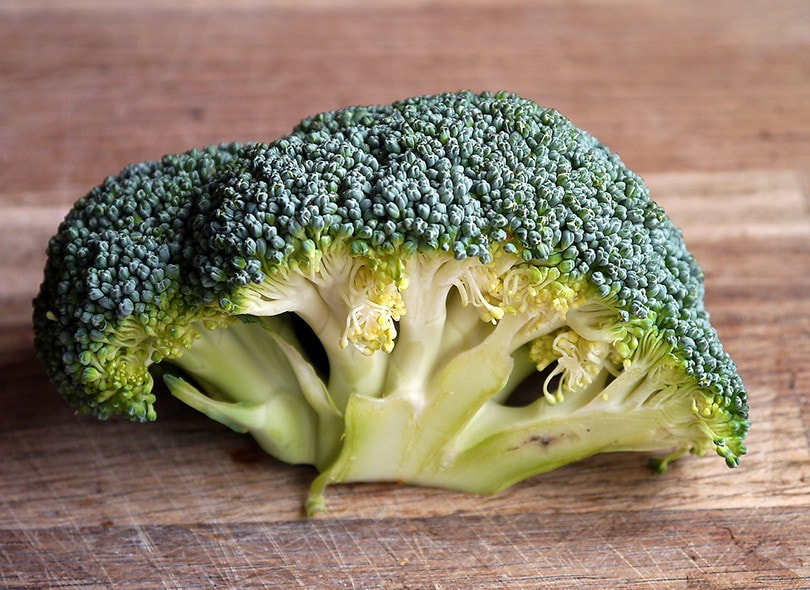
Typically grown in cooler climates, broccoli is feasible in central and northern Texas during the mild slide and late winter season months. Ideally, you’d start off broccoli from late September to early November, but you could wait around until right after February if you are anxious about frost. Broccoli is the least difficult of the cole veggie family to grow, although cauliflower is notoriously finicky. Choose for broccoli if you are a beginner or aren’t certain of your environmentally friendly thumb yet, but want some greens.
For a head start off, begin your broccoli seeds indoors throughout August to protect them from the sunshine, or early February to steer clear of frost. Once the climate is nice and moderate, you can transplant them to the backyard for a harvest about 3 months later on.
Relevant Study: 11 Best Veggies to Develop in Ohio (With Photographs)
10. Cucumber
| Season | Summer |
| Grow Time | 50-70 days |
| Soil Type & pH | Sandy loam soil, pH 5.5-7.0 |
| Water Requirements | 1-2” per week |
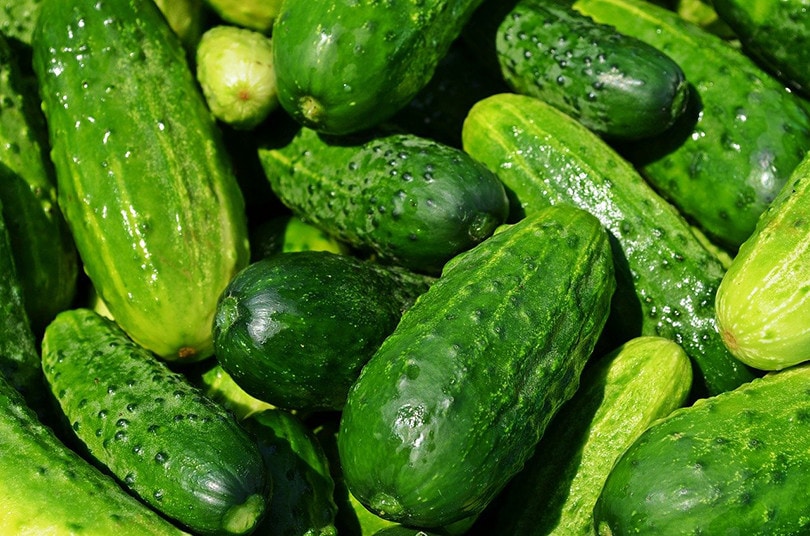
Cucumbers are an extremely flexible vegetable great for pickling, cooking, or eating uncooked. We’re happy to report that cucumbers can be developed in any component of Texas, but it is very best to begin them throughout the early spring. Sometimes they don’t do so nicely during powerful Texas summers, so they might not produce at that time.
Cucumbers expand on a vine and need to have a trellis, like green beans. This tends to make them fantastic veggies to expand along a fence. We’d recommend planting cucumber right after the very last frost of the 12 months, in April or so. If you do not have the space for a trellis, cucumbers also grow rapidly in modest cages.
Highlighted Graphic Credit history: earth_fox, Pixabay
Contents