What kind of grass do you have on your lawn? This is not a concern a lot of men and women can response off the top of their heads, but it is an critical concern to think about. Men and women who have to re-sod their garden or are likely to have brown and dying grass frequently turn out to be discouraged when they simply cannot maintain their lawns alive. Being aware of the distinct types of grasses and what they are ideal suited for is critical in order to aid sustain a wholesome garden.
Listed here are twelve of the most widespread sorts of garden grass that are located all more than the United States.
The 12 Types of Lawn Grass
1. Kentucky Bluegrass
| Season: | Cool |
| Texture: | Soft |
| Drought Tolerance: | Medium |
Kentucky bluegrass is 1 of the most well-liked kinds of lawn grass in the United States. It is commonplace in all northern states, and there is a excellent likelihood you have bluegrass on your lawn. That is since bluegrass is a prolific spreader. It will distribute to places the place there is no grass or weak grass and rapidly fill in gaps and slim spots. Bluegrass has a soft texture, likes cooler weather conditions, and can keep up to a respectable volume of foot site visitors. All these motives make bluegrass incredibly common for property lawns.
2. Bermuda Grass

| Season: | Warm |
| Texture: | Coarse |
| Drought Tolerance: | High |
Bermuda grass is one particular of the most prolific grasses in the southern half of the United States. Bermuda grass is really hardy, drought-resistant, and can hold up to continuous targeted traffic. It is extremely well-known in sizzling climates because of its deep roots. Even so, Bermuda grass is tough, and it can simply distribute to areas you do not want it to. A lot of gardens get invaded by Bermuda grass which can be a headache for people attempting to preserve clean gardens and a healthier garden.
3. Centipede Grass
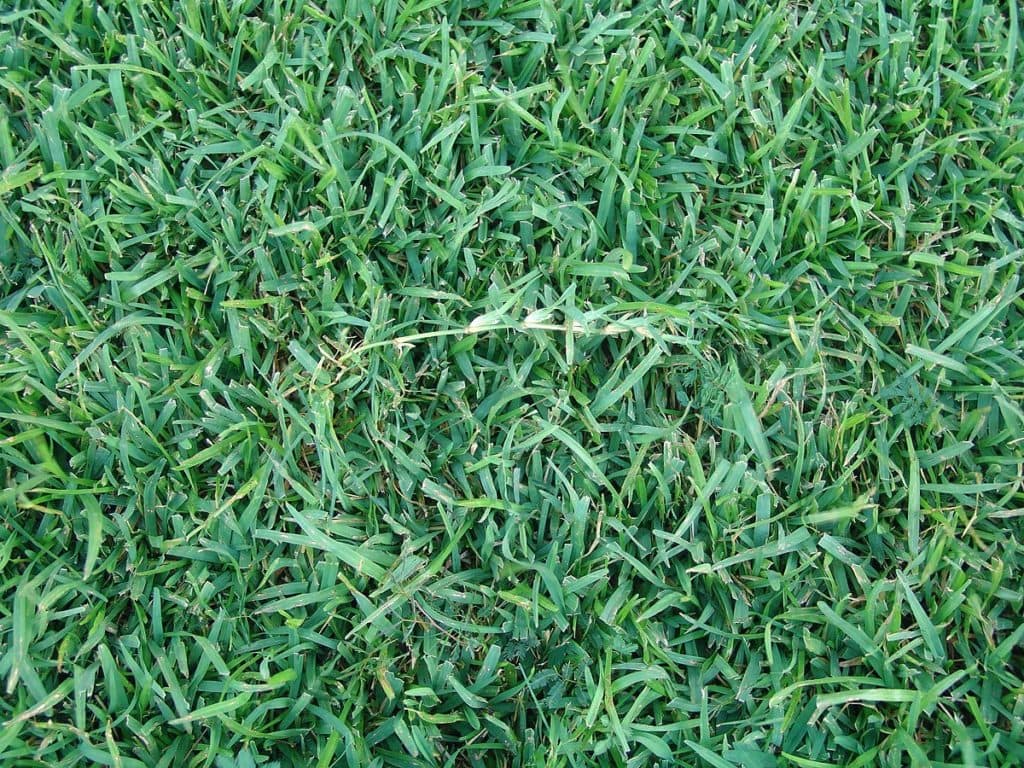
| Season: | Warm |
| Texture: | Medium |
| Drought Tolerance: | High |
Centipede grass is a popular grass in the southern United States, specially in Florida. Centipede grass is a lower grass that grows quite slowly and gradually. That implies it does not have to be mowed extremely typically. Homeowners like the dense mat-like quality that this grass creates. It is also extremely drought-resistant, making it one particular of the lowest maintenance lawn grasses accessible. The issue with centipede grass is that it does not like folks going for walks on it, and it struggles in salty environments.
4. Perennial Ryegrass
| Season: | Cool |
| Texture: | Fine |
| Drought Tolerance: | Low |
Perennial ryegrass is a amazing-period grass that likes to increase in the wintertime. It is a bunching grass, meaning it does not unfold on its own, which is a additionally for some house owners. In some areas, ryegrass is planted more than the best of other grass that dies off in the winter. Ryegrass will really increase by means of and maintain a garden environmentally friendly for the duration of the coldest months and will arrive back again the subsequent calendar year. Yet another positive of ryegrass is that it is quite resistant to foot site visitors, so you don’t have to be concerned about crushing it in large site visitors locations.
5. Tall Fescue
| Season: | Transition |
| Texture: | Medium |
| Drought Tolerance: | High |
Tall fescue is a well-known grass due to the fact it exists as a transitional grass. It can prosper in both cool climates and scorching climates. This flexibility helps make it very popular in locations that get cold winters and scorching summers. Tall fescue has really deep roots, won’t unfold, and is really drought tolerant. It also possesses a pleasing dim green shade and a medium texture. Tall fescue is known for its potential to survive intense temperature activities and will come again after deep freezes and blazing warmth waves.
6. Zoysia Grass
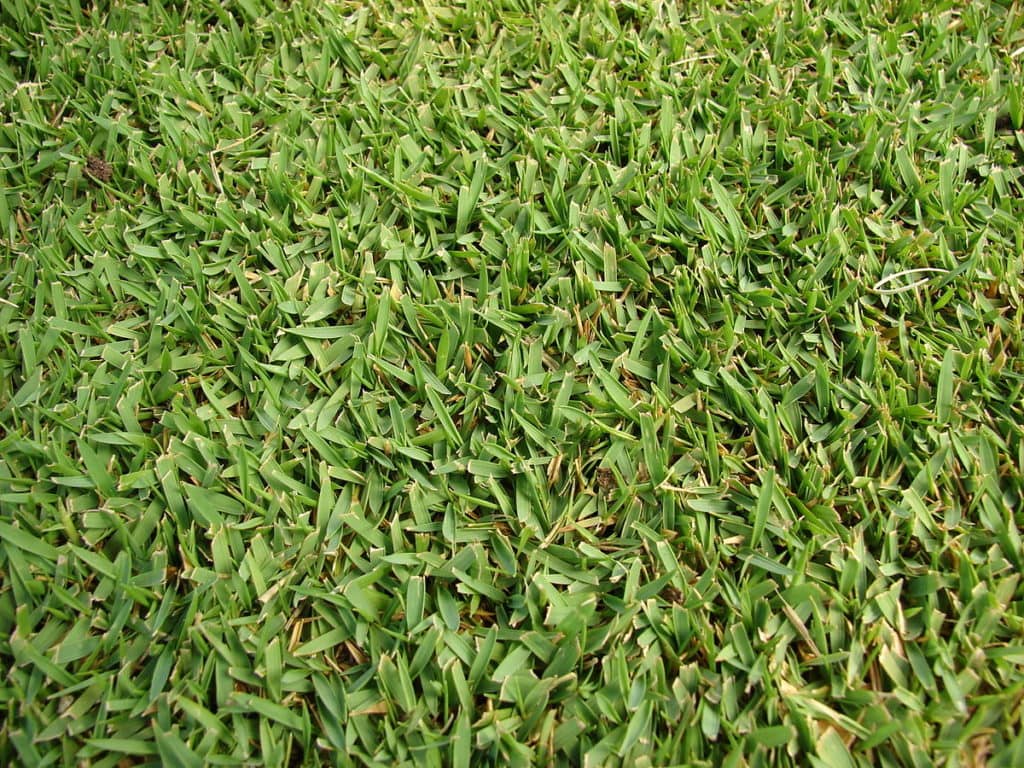
| Season: | Warm |
| Texture: | Pokey |
| Drought Tolerance: | High |
Zoysia grass is a pokey and coarse grass. Numerous men and women are not seeking for their lawns to poke, but the grass is very hardy and low upkeep. This grass does not need daily watering and does not want to be mowed really typically. This grass is prevalent in the higher south and the Carolinas as it does properly in higher warmth and amazing winters. The hardy mother nature of bentgrass makes it an perfect grass for higher-site visitors regions the place consistent maintenance is not possible. Just don’t go and roll about in it.
7. Fine Fescue
| Season: | Cool |
| Texture: | Soft |
| Drought Tolerance: | Medium |
Wonderful fescue is a selection of fescue grass. It is recognizable for its prolonged thin blades that are very gentle. Wonderful fescue prefers cool temperature and struggles in places that get large amounts of high heat. A lot of folks plant good fescue alongside other grasses as it makes for great ornamental grass to coincide with a lot more classic grasses. As prolonged as you preserve the good fescue from getting way too sizzling it is a low maintenance grass that does well in northern climates.
8. Floratam
| Season: | Warm |
| Texture: | Coarse |
| Drought Tolerance: | Medium |
Floratam is a variety of St. Augustine grass that thrives in a particular weather. Floratam requires large heat and humidity to prosper. It is frequently found in heat coastal regions about the Gulf of Mexico. Floratam is wonderful for these environments because it is quite hardy and needs tiny maintenance. It is also great since it will expand effectively in areas with salty air. Several other varieties of grass do not do properly in very salty environments. If you live in a coastal region where other grasses battle, floratam is a excellent alternative to fill in your lawn with.
9. Dichondra
| Season: | Warm |
| Texture: | Soft |
| Drought Tolerance: | High |
Dichondra is an interesting species of grass because alternatively of conventional blades, this grass grows with little leaves. It is really popular in the southwestern component of the United States due to the fact it offers inexperienced ground include in areas the place other grasses will not grow. Dichondra is very drought tolerant, but it does call for a huge volume of watering and fertilizer to preserve it entire. It can be mowed like normal grass and supplies a vibrant eco-friendly color in places that are frequently arid and brown.
10. Bentgrass
| Season: | Cool |
| Texture: | Soft |
| Drought Tolerance: | Low |
Bentgrass is the prototypical comfortable grass. It has a deep emerald-green shade and feels wonderful on your bare feet. It is lush and gentle and grows quite thick when it is pleased. While bentgrass can be the best comfortable grass, it needs a ton of upkeep. Bentgrass dies really quickly if it is not happy. Bentgrass needs constant mowing, watering, and fertilizing to maintain it happy. It has a extremely reduced drought tolerance. If you are inclined to set in the effort, healthier bentgrass can be positively heavenly.
11. Bahiagrass
| Season: | Warm |
| Texture: | Coarse |
| Drought Tolerance: | High |
Bahiagrass is the best grass for large tons or acreage. It needs quite tiny upkeep and grows in inadequate and sandy soil that other grasses are averse to. Bahiagrass does not die for the duration of intervals of drought but merely goes dormant alternatively. Bahiagrass is in fact prone to being overwatered so allowing it get watered by organic rain is frequently the very best guess. Bahiagrass is not the most eye-catching type of grass, and it is extremely coarse, which is why it is not as well-known as some other varieties of grasses.
12. St. Augustine Grass
| Season: | Warm |
| Texture: | Coarse |
| Drought Tolerance: | High |
St. Augustine grass is one of the most notable types of grass in the southern United States. It thrives in Florida, where it derives its identify from. St. Augustine grass is really lower servicing and grows incredibly simply in very hot climates. It also does not call for a great deal of h2o to thrive. St. Augustine grass grows extremely swiftly, particularly in the summer, and the challenging, tough blades are a chore to mow. Thanks to its substantial expansion price, it has to be mowed frequently. If mowing is not your factor, you may well want to think about a slower-expanding grass, like centipede grass.
Find a Grass Type That Is Best For Your Area
Grass can be finicky to maintenance. Many types of grass have areas the place they will thrive and areas exactly where they will do badly. Finding a grass that is native or conducive to your neighborhood location is imperative to assist pick a grass that will continue to be environmentally friendly more time with significantly less upkeep. Prior to planting any new grass, check out the daylight, drinking water, and temperature specifications as properly as the zone in which the grass grows ideal. There are three zones for grass in the United States. The zones are cool, transitional, and heat.
Warm vs. Cool-Season Grass
Warm-season grass and awesome-time grass describe when the grass likes to increase the most. Warm-season grasses do most of their growing and germinating in the warm months. That is why these sorts of grasses do nicely in heat climates in which the climate remains very hot for lengthier. Heat-year grass will not grow properly in cooler climates due to the fact the quantity of increasing time is vastly reduced in contrast to southern climates.
Awesome-year grass does most of its expansion in the awesome seasons. These grasses do not do nicely in hot temperatures and will not prosper when the thermometer climbs. Planting grasses in the appropriate zone will guarantee that you will get a healthier lawn with no irritating repairs.
You can locate these maps on the internet or seek advice from your nearby extension place of work for much more data about what grasses grow best exactly where.
Pay Attention To Your Lawn’s Maintenance Requirements
Not all grass is equivalent in conditions of maintenance. You may select a grass that grows nicely in your location and is very gentle and enjoyable to appear at, but it may well appear with burdensome repairs needs. Some grass demands to be watered every single working day. Some grass are not able to be shaded. Other grass requirements to be mowed weekly or sometimes even more regularly for the duration of the summer time. If you are not prepared to do constant upkeep on your lawn, you need to make positive to choose grass with lower maintenance needs. High-upkeep grass that is not tended to properly will falter and at times die, leaving you with brown patches or a useless lawn.
Conclusion
A lot of people consider of grass as just grass. But like every thing else on earth, there are hundreds of various species of grass that are all vastly diverse from 1 yet another. Most people won’t bend down to see the minute variances amongst diverse varieties of grass but being aware of what variety of grass you have and what grows ideal about you is critical. No one likes a dead or finicky garden, and this info can help empower you to hold your garden healthier than at any time.
Featured Picture Credit: midascode, Pixabay
Contents